

Harnessing Focus with the Quiet Eye Phenomenon for Precision Focus in Sports
In the world of high performance, focus is everything. Whether you are preparing for a critical moment in competition or striving to maintain calm under pressure, the ability to direct your attention precisely can make all the difference. One powerful tool that has emerged from research in sports psychology is the concept of the quiet eye phenomenon. This technique offers a way to harness your mental resources, sharpen your focus, and improve your performance in meaningful ways.
Precision Focus in Sports: Why It Matters
Precision focus in sports is not just about looking at the target; it is about how you look. The way your eyes fixate and the duration of that fixation can influence your brain’s ability to process information and execute movements smoothly. Athletes who master this skill often report feeling more in control and less distracted during critical moments.
For example, a basketball player preparing to shoot a free throw will benefit from a steady, calm gaze on the rim. This steady gaze helps the brain coordinate the muscles needed for a smooth shot. Similarly, a golfer lining up a putt uses precise focus to block out distractions and maintain confidence.
Here are some practical ways to develop precision focus in sports:
Practice steady gaze drills: Spend time focusing on a single point for increasing durations.
Use visualization: Imagine the perfect execution while maintaining your gaze on the target.
Control breathing: Combine your focus with slow, deep breaths to calm your nervous system.
Limit distractions: Train in environments that simulate competition to build resilience.
By integrating these habits, you can enhance your ability to maintain precision focus when it counts most.

What is the Meaning of Quiet Eyes in Psychology?
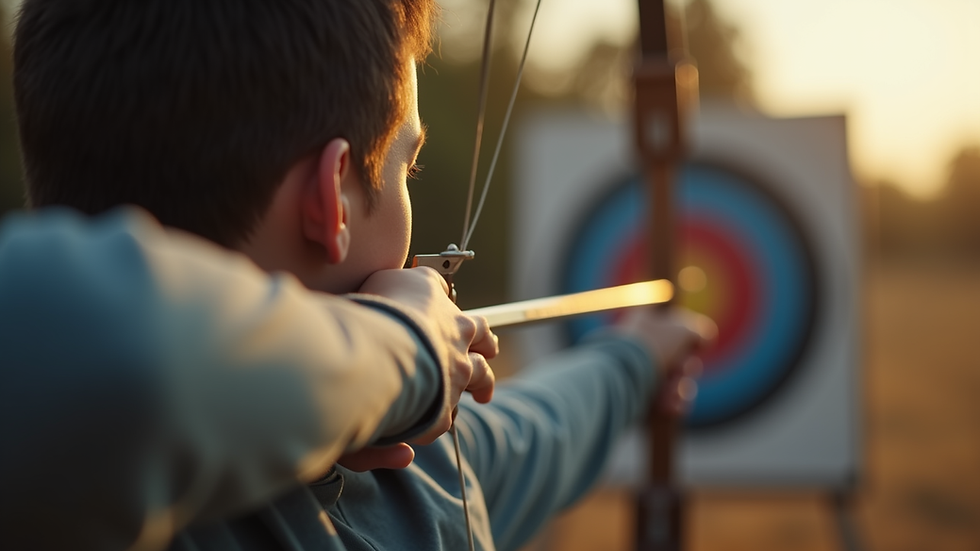
The term "quiet eyes" refers to a specific gaze behavior observed in skilled performers. Psychologists define it as the final fixation or tracking gaze that occurs on a relevant target before the initiation of a critical movement. This gaze is characterized by its duration and stability, which are longer and steadier in experts compared to novices.
In psychological terms, quiet eyes represent a state of heightened attentional control. This state allows the brain to filter out irrelevant stimuli and focus cognitive resources on the task at hand. It is a moment of mental stillness that precedes action, enabling better decision-making and motor execution.
Research shows that quiet eyes are linked to:
Improved motor performance: Longer quiet eye durations correlate with higher accuracy.
Reduced anxiety: Maintaining a steady gaze helps regulate emotional responses.
Enhanced anticipation: Quiet eyes allow better prediction of outcomes and timing.
Understanding this concept can help you appreciate the importance of gaze control in your own performance and mental preparation.
How to Train Your Quiet Eye for Better Performance
Training your quiet eye is a practical way to boost your mental game. It involves exercises that improve your ability to fixate steadily and maintain focus under pressure. Here are some effective methods:
Target Fixation Practice: Choose a small target and practice holding your gaze on it for increasing periods. Start with 5 seconds and gradually extend to 20 seconds.
Simulated Pressure Drills: Perform your sport-specific skills while maintaining your quiet eye focus, even when distractions are introduced.
Video Feedback: Record your practice sessions and observe your gaze behavior. Notice when your eyes wander and work on correcting it.
Mindfulness Meditation: Develop overall attentional control by practicing mindfulness, which enhances your ability to stay present and focused.
Breath and Gaze Synchronization: Coordinate your breathing with your gaze to create a rhythm that supports calm and steady focus.
By consistently applying these techniques, you can strengthen your quiet eye and experience improvements in both training and competition.
The Role of Quiet Eye in Overcoming Mental Barriers
Mental barriers such as anxiety, self-doubt, and distraction can undermine even the most physically prepared athletes. The quiet eye technique offers a way to counter these challenges by anchoring your attention and calming your mind.
When you engage your quiet eye, you create a moment of mental clarity. This clarity helps you:
Reduce racing thoughts: Focusing on a single point quiets the mind.
Build confidence: Steady gaze reinforces a sense of control.
Enhance resilience: You become less reactive to external pressures.
Improve decision-making: Clear focus supports better choices under stress.
In practice, this means that before a critical moment, you can use your quiet eye to reset your mental state. For example, a tennis player about to serve might take a deep breath, fix their gaze on the ball, and hold that focus to block out the crowd and internal doubts.
Integrating Quiet Eye Techniques into Daily Training
To make the most of the quiet eye phenomenon, it is essential to integrate it into your daily routine. Here are some tips to help you do that effectively:
Start small: Begin with short focus sessions and gradually increase duration.
Be consistent: Practice daily to build a habit.
Use reminders: Place visual cues in your training area to prompt quiet eye practice.
Combine with physical drills: Pair gaze training with skill execution for real-world application.
Reflect on progress: Keep a journal to note improvements and challenges.
By embedding these practices into your training, you create a foundation for sustained mental sharpness and peak performance.
Embracing Precision Focus for Lifelong Success
Mastering precision focus through the quiet eye phenomenon is more than a sports skill. It is a mindset that supports excellence in all areas of life. When you learn to control your attention, you unlock the ability to perform under pressure, overcome obstacles, and achieve your goals with confidence.
Remember, focus is a muscle that grows stronger with practice. By dedicating time to quiet eye training, you invest in your mental resilience and overall well-being. This journey is not just about winning games or competitions; it is about cultivating a calm, clear mind that serves you in every challenge you face.
Harness this power, and watch as your performance and satisfaction reach new heights.


Comments